Night Markets After Dark: A 2026 Field Guide to the UK's Bazaar Club Nights
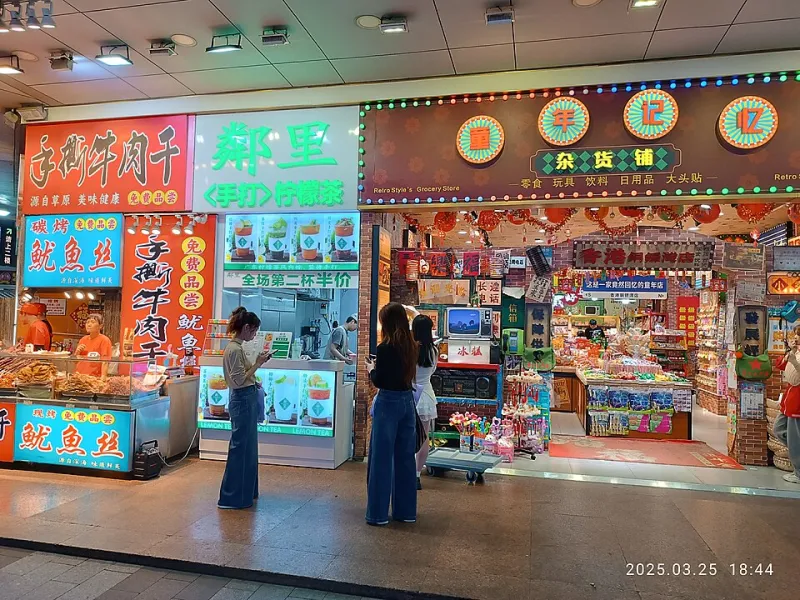
Photo: Breandy Makallonz, CC0, via Wikimedia Commons
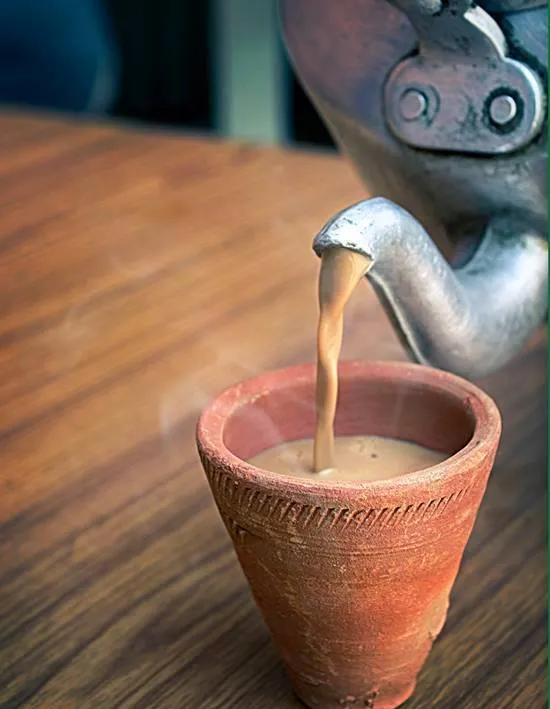
Bazaar hours in the UK now start at about 8pm and finish somewhere north of 2am. The format is simple enough: take the browsing energy of a night market, add food stalls, tea counters, craft sellers and a performance corner, then point a proper club sound system at the middle of it all. The result is a night out that does not demand you choose between eating, chatting, shopping and dancing. You can do all four, badly, in the best possible way.
It is easy to call this a novelty. It is not. In 2026, bazaar-style club nights are becoming a serious fixture in London, Manchester and Birmingham because they solve a real problem: plenty of people want a big night out without the pressure of a dark room and a queue at the bar. The format gives them somewhere to arrive, something to do before the first headline set, and a reason to stay once the dancefloor fills up.
Why the format works beyond the lanterns
The best bazaar nights are not just club nights with a samosa van outside. They are programmed. The food is timed, the stalls are curated, the DJ sets are staggered, and the performance space is not treated as a corner where someone might do a quick turn. The good ones understand that a night market has a rhythm: browse early, eat in the middle, dance late.
That rhythm is why the format works. It lowers the pressure at the door. It gives solo ravers and small groups somewhere to land. It makes the night feel social even before the music takes over. And it creates a useful crossover audience: people who came for the food stay for the DJ, and people who came for the DJ discover a new tea counter, a ceramics stall or a pop-up selling Turkish delight at 1am.
There is a fine line between atmosphere and clutter. The strongest events leave enough floor space to dance, keep the sound away from the food queues, and avoid turning the whole room into a fire hazard. If you can smell fried food on the dancefloor and hear the DJ in the tea queue, the layout probably needs work. The best nights get the flow right.
London: the courtyard model
London's bazaar nights tend to lean into the courtyard idea. Bazaar After Dark, a monthly-ish gathering in east London, is a good example of the form: a warehouse yard with food stalls, a tea counter, a small craft market and two rooms of music. The early hours are for browsing and eating, with a live percussion set or a short performance slot around 9pm. By 11pm the food starts to thin out, the stalls get less attention, and the dancefloor becomes the main event.
What makes it work is the booking policy. The lineups are not just a random selection of 'eastern' sounds. You might get Arabic pop and dabke in one room, and UK garage, bhangra and jungle in the other. It sounds obvious, but it gives people a reason to move between spaces rather than park in one spot all night. Check the event page before you go: some editions are ticketed, some are free before 10pm, and the food vendors often sell out of the good stuff early.
Manchester: the warehouse souk
Manchester's version is louder and more warehouse-shaped. Northern Souk, which has been running in Ancoats, takes the bazaar idea and pushes it towards a proper club night: a big room, a serious sound system, food stalls along one wall, and a performance space that has hosted everything from folk dance to spoken word. The market element is still there, but it is not the main attraction. The main attraction is the way the whole room shifts from a hangout to a rave.
This is a good night for people who want the bazaar format but do not want to feel like they are at a school fair. The food is good, the tea is strong, and the DJs are given room to build. Arrive before 10pm if you want to eat without queuing. After that, the stalls are still open, but the floor is where the action is.
Birmingham: the late tea house
Birmingham's Digbeth Bazaar has taken a slightly different route. It is smaller, warmer and more tea-house than warehouse. The food is a mix of Yemeni, Pakistani and Turkish stalls, the craft sellers are local makers rather than imports, and the music starts gently with oud, percussion and downtempo before moving into Arabic pop, bhangra and bassier sets after midnight.
It is the kind of night where you can turn up with a mate who does not really like clubs, feed them, buy them a tea, and let the dancefloor win them over slowly. The venue is a converted courtyard space, so check the weather and wear something you can stand in. It is also worth checking whether the event is ticketed or pay-on-the-door, because the capacity is not huge.
How to do a bazaar night properly
Book ahead if there is a headline DJ or a limited-capacity venue. Some nights sell out, and the good food stalls often pre-sell. Arrive early if eating is part of the plan. The food queue is shortest before 9pm and longest between 10pm and midnight. Bring a card, but keep some cash for the smaller vendors. Not every stall has a card reader, and the cash machine is always further away than you think.
Browse before you dance. The stalls are there for a reason, and the browsing hour is part of the pleasure. Check set times at the door. Bazaar nights often have two or three musical phases, and you do not want to miss the act you came for because you were queuing for baklava. Wear shoes you can dance in but stand in. You will be on your feet more than at a standard club night.
Respect the floor. If a stall is still trading next to the dancefloor, do not spin into the display. If the venue has a quiet room or a tea lounge, use it. The whole point of the format is that you can pace yourself. And if you are going with a group, agree a meeting point early. Bazaar nights are brilliant for wandering off and finding something new, but terrible for trying to find five people at 1am.
The 2026 diary note
Bazaar-style club nights are still evolving, and that is part of the appeal. They are not all perfect. Some are too crowded, some are too market-heavy, and some use the format as a way to avoid booking interesting DJs. But the best ones are doing something genuinely useful: making a night out feel more open, more social and more rooted in the way people actually eat, chat and dance in 2026. Go for the food, stay for the set, and leave with a bag of something you did not need and a new favourite DJ. That is bazaar hours.