The Punchline Crosses the Room: Bilingual Comedy’s Late-Night Rise in the UK
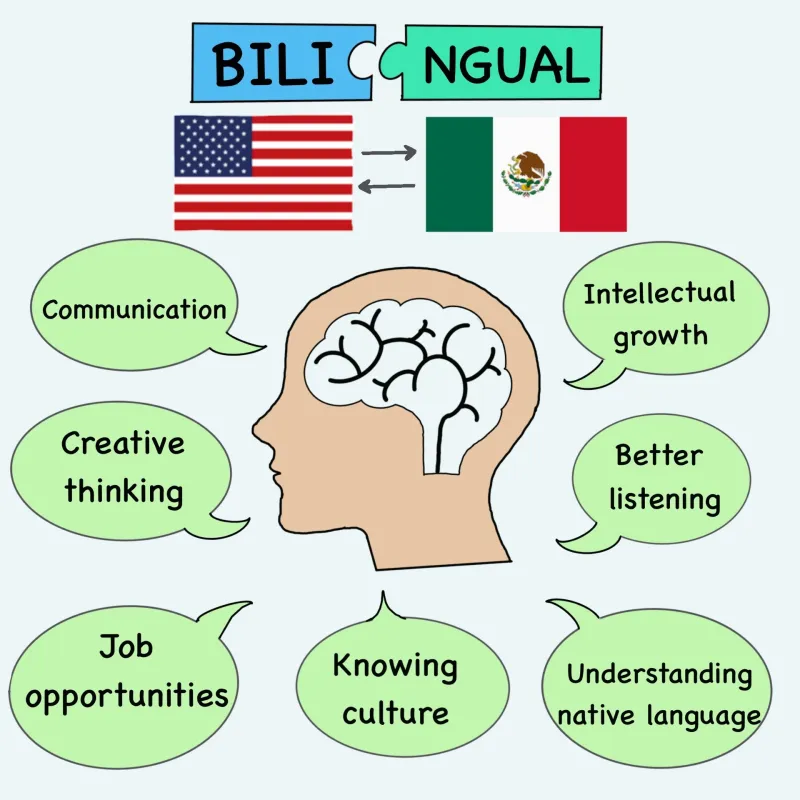
Photo: bilingual stand-up comedy night UK basement bar microphone mixed audience, via ineducationonline.org
The first sign that a comedy night has landed in a club room is not the mic. It is the half-second of silence before the room decides whether it is allowed to laugh. On a Friday in Manchester, a comic switches from English to Arabic mid-sentence. A table near the bar gets the joke first; a table near the fire exit catches the translation and laughs a beat later. Nobody is late. The room has simply become bilingual for a minute.
That beat is why the UK’s after-hours eastern comedy nights are worth watching in 2026. They are not stand-up gigs bolted onto a club night as a novelty. They are a separate kind of late-night room: part cabaret, part living-room, part crowd-work laboratory. Arabic, Turkish, Farsi and Kurdish line-ups are appearing in upstairs bars, basement venues and the early slots of club nights, often in cities where the eastern-inspired scene already has a foothold. London, Manchester, Birmingham, Leeds, Glasgow and Bristol all have versions of the format. The details differ. The tension is the same.
The room before the first joke
Comedy in a club room is not comedy in a theatre. There is no rake, no velvet, no polite hush. There is a bar till, a DJ waiting to set up, and a crowd that has already had one drink and is deciding whether to have another. Promoters have to build a room that can hold attention without pretending it is a theatre. The good ones keep the first 15 minutes light: short sets, English-friendly material, a host who explains the rules without explaining the cultures. The audience learns how the night works before it is asked to follow a joke across two languages.
That hosting job is harder than it sounds. A bilingual night can fail in two directions. If everything is translated, the English speakers feel like they are at a lecture and the mother-tongue speakers feel like the punchline has been slowed down for guests. If nothing is translated, half the room is locked out and the other half feels like they are at a private party. The best promoters treat translation as part of the show, not a customer service add-on. A comic can say the joke in Arabic, watch the front row laugh, then turn to the back and say, in English, 'You are about to find out why they are laughing.' That is not a subtitle. That is a second punchline.
Translation as a bit, not a barrier
The interesting thing about these nights is that the language mix is not a problem to be solved. It is the material. Comics code-switch, drop a word in Turkish and pick it up in English, or tell a story about trying to explain a family wedding to a colleague who thinks 'mehndi' is a new brunch place. The laugh does not depend on everyone understanding every word. It depends on everyone understanding the shape of the misunderstanding.
That is a different skill from club comedy. It is closer to crowd work with a passport. A comic has to read which part of the room is with them, which part is waiting, and which part is laughing because someone else is laughing. Promoters who get it right often programme in layers: a host who can move between languages, an opener who works mostly in English, a middle act who can handle a mixed room, and a headliner who can go deep in their own language because the room has been warmed up to follow. The night does not need to be equally in every language. It needs to be honest about which language is leading and generous about bringing people along.
Crowd work without the costume
The risk is cliché. Eastern-inspired nightlife already has a flyer problem: the same lanterns, the same font, the same 'exotic' shorthand. Comedy can fall into the same trap. A comic can lean on 'my family is crazy' material, or a promoter can sell the night as a cultural tour rather than a gig. Audiences can smell it. The rooms that work are specific. They talk about names, streets, aunties, bus routes, the weird politics of being asked where you are from, the even weirder politics of explaining why you are laughing. They do not treat 'eastern' as a single culture with a single accent.
That specificity is also what makes the nights good for people who might never book a club night. A comedy room is a lower-stakes door. You can sit at the back, nurse a drink, leave at the interval if it is not for you. You do not need to know the DJ. You do not need to dance. You just need to be willing to listen for an hour. For audiences who are curious about eastern-inspired nights but not ready for a full dancefloor, that is a useful bridge. It gives them a way into the scene without asking them to perform belonging.
Why comedy is a better door than a dancefloor
Club nights are brilliant at atmosphere. They are less brilliant at explanation. A flyer can promise a night of Turkish psych, Kurdish trap or Arabic disco, but it cannot teach a newcomer how to read the room. Comedy does that work in real time. It shows the crowd how to laugh with a culture rather than at it. It lets a promoter say: this is who we are, this is what we find funny, this is the door. If the night is good, the audience leaves with a name they did not know before, a phrase they can pronounce, and a reason to look out for the next line-up.
That is why the after-hours comedy nights feel like more than a side hustle. They are doing the soft work that the wider eastern-inspired scene needs: building a crowd that is curious, not just consuming. The best ones are not trying to be a UN summit with a mic. They are trying to be a good night out. The bilingual bit is not a gimmick. It is the sound of a room finding its own rhythm.
What to look for in 2026
If you are booking or buying, look for promoters who tell you the language mix before you arrive. Look for line-ups with more than one register: storytelling, crowd work, a bit of silliness, a headliner who can hold a room without a translation app. Look for venues that treat comedy as a show, not a warm-up for the club. And look for the half-second of silence after a joke lands in two languages. That is the bit worth crossing town for.